
25 Apr Types of Security Cameras for Business
A Comprehensive Guide for Commercial Surveillance
In today’s security-conscious world, protecting your business has never been more important. With numerous security camera options available on the market, selecting the right surveillance system to meet your business needs is daunting. Each type of security camera offers unique capabilities designed to address different security challenges and environments.
Whether you operate a small retail shop, a massive warehouse, or corporate office, understanding the various types of cameras for business security can help you make an informed decision. Your specific industry, location, budget, and security objectives will all influence which camera system and equipment is best suited to meet your challenges.
The Need for Business Security
Implementing robust security measures for your business is no longer optional. It’s been reported that close to 6 in 10 businesses have experienced physical security breaches within the last 5 years, with remediation costs averaging $100,000 per incident. A comprehensive security solution not only deters potential criminals but also provides valuable evidence in case of incidents.
Today’s security market offers an extensive range of security cameras addressing numerous business requirements and needs. From indoor and outdoor models to specialized equipment for audio, thermal imaging, license plate capture, and more, modern surveillance technology can be customized to fix your unique security requirements. With advanced options like 4K high-resolution video, ultra low light image capture, and advanced intelligent motion detection, your businesses can maintain safety and security all day long.
Types of Cameras for Business Security
Understanding the different types of security cameras available will help you determine which options are best suited for your business environment and security goals.
Analog Cameras
Analog, also known as COAX or HD-CVI, these cameras represent traditional surveillance technology that have been used for decades. These cameras capture video in standard definition and transmit signals via coaxial cables to a digital video recorder (DVR).
The primary advantages of analog cameras is providing a reliable but cost-effective solution especially for businesses that may have existing infrastructure at their facilities. While analog has done a good job trying to keep up with newer technologies, coax typically offer lower video quality and limited intelligent capabilities. While analog systems still have their place in certain business environments, many companies opt for more advanced technologies that more easily integrate with IoT and enable many additional features.
IP Cameras
IP (Internet Protocol also known as network) cameras offer significant advantages over traditional analog systems. By plugging into existing IoT networking, these cameras easily have more intelligence within each camera allowing your head unit (network video recorder or NVR) to be able to more easily do advanced people, vehicle, color detection over more cameras.
By connecting directly into your network you can enable your equipment to be accessed remotely and security over the internet enabling seamless multi-site video monitoring. With technologies like PoE (Power over Ethernet) your equipment can be up and running with a single network cable.
The flexibility and advanced intelligent detection and notification is helping enable IP cameras to become the standard in modern business surveillance systems.
Panoramic / Fisheye Cameras
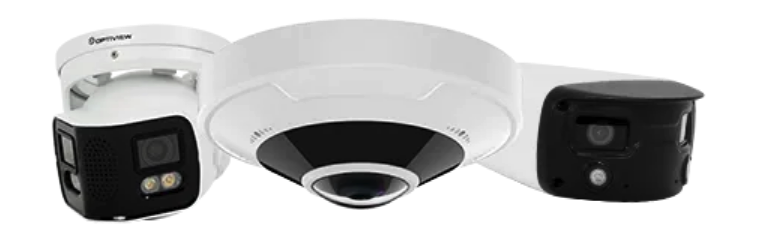
Panoramic and fisheye cameras are specialized surveillance options that provide extensive coverage with a single device. These impressive cameras offer intensive field-of-views anywhere between 180 degrees and 360 degrees eliminating blind spots in your security coverage.
These wide angle of view cameras make panoramic cameras valuable especially in monitoring large, open spaces such as warehouses, retail floors, manufacturing facilities, and parking lots. By using a single panoramic camera instead of multiple traditional cameras, businesses can achieve comprehensive surveillance while reducing overall system costs and complexity.
Turret / Dome / Armor Ball Cameras
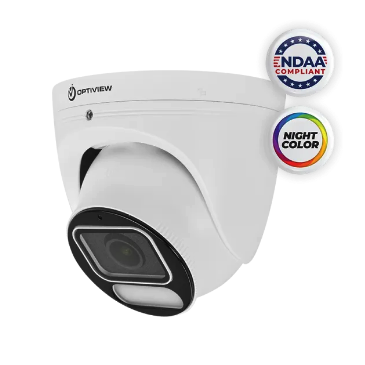
Turret cameras, also known as dome or armor ball, feature a distinctive ball-and-socket design that combines flexibility with durability. The camera lens is housed in a ball-like enclosure that can be easily adjusted to capture the optimal viewing angle.
These cameras deliver high-quality footage while their adjustable positioning helps reduce glare issues that might affect video clarity. Turret cameras are versatile enough for both indoor and outdoor applications, with many models offering weatherproof features for exterior installation.
The turret/armor ball camera remains to be the most popular camera housing style over bullet cameras.
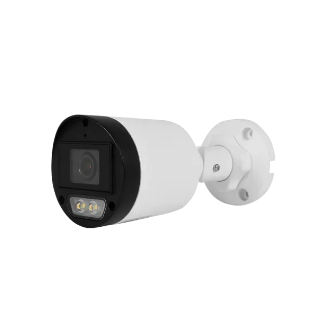
Bullet Cameras
Bullet cameras are easily recognizable by their cylindrical, “bullet” like shape. These cameras excel at long-range monitoring, making them ideal for surveilling building exteriors, parking lots, driveways, and other expansive outdoor areas.
Most bullet cameras are designed with weatherproof housings to withstand various environmental conditions. Historically, they typically included more weatherproof designs, infrared for night vision, but over the years, the turret and bullet styles have matched in functionality.
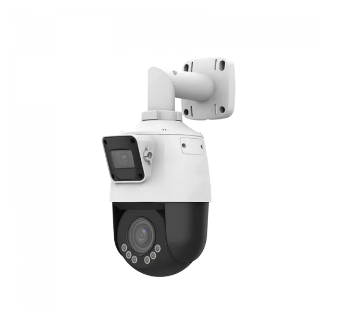
PTZ Cameras
Pan / Tilt / Zoom (PTZ) cameras represent the cutting edge of dynamic surveillance technology. These versatile cameras can be controlled remotely to pan both left and right, tilt both up and down, and zoom in and out to focus on specific areas and even track moving targets.
This flexibility makes PTZ cameras exceptionally valuable for high-risk locations, areas that require active monitoring, or areas where camera views are not certain. Advanced models feature automatic motion tracking, predefined route touring allowing the camera and operator to more accurately and quickly detect, identify and follow movement. For businesses needing live monitored views, PTZ cameras provide unparalleled control over surveillance coverage and the ability to accurately focus on areas of interest.
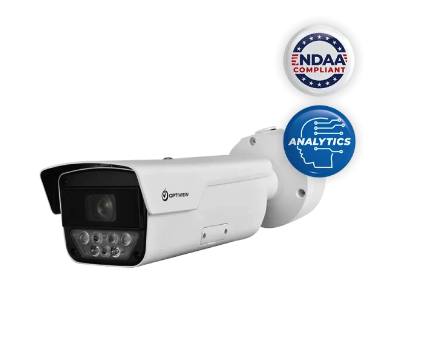
License Plate Recognition (LPR) Camera
License Plate Recognition (LPR) cameras represent specialized surveillance technology designed specifically to capture, read, and record vehicle license plates even in challenging conditions. These advanced cameras combine high-resolution imaging with sophisticated software algorithms to provide businesses with powerful vehicle identification capabilities. Utilizing advanced infrared illumination, faster shutter speeds to eliminate motion blur and glare caused from poor lighting conditions.
Businesses across various industries utilize LPR cameras for applications ranging from parking lot management and access control to traffic monitoring and security screening. For facilities with vehicle based operations like distribution centers, HoA, corporate campuses, manufacturing plates by maintaining detailed records of all vehicles entering and exiting the premises.
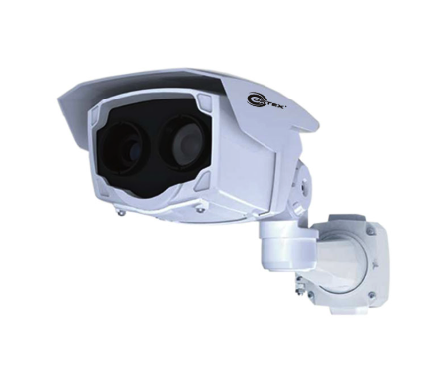
Thermal Cameras
Thermal cameras utilize advanced technology to detect and visualize heat signatures emitted by people, vehicles, and other objects. Unlike traditional cameras that require visible light, thermal cameras provide usable images in complete darkness, and through other touch scenarios like fog, smoke, and limited vegetation.
These specialized cameras have gained significant popularity in recent years providing perimeter protection for construction sites, manufacturing facilities, and government and military grounds. By detecting heat rather than visible light, thermal cameras provide reliable intrusion detection regardless of lighting conditions or weather, making them an invaluable component in specific commercial settings.
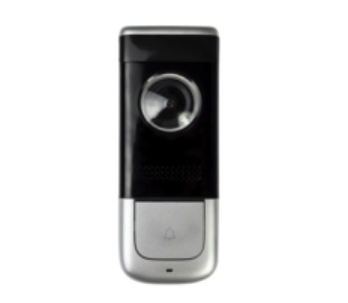
Door Bell Cameras
Doorbell cameras continue combining convenience with security by allowing businesses to visualize visitors before gaining entry and monitoring critical packages left in open locations. When someone presses the doorbell, the doorbell connects with the cameras two way audio, allowing business to communicate with visitors remotely before they enter the facility.
This technology is particularly beneficial for businesses that manage deliveries, screen customers or clients, and enhance staff safety. Many doorbell cameras include features like motion detection, night vision, and two-way audio communication. For professional offices, small retail establishments, and businesses with controlled-access requirements, doorbell cameras offer an accessible first line of security.
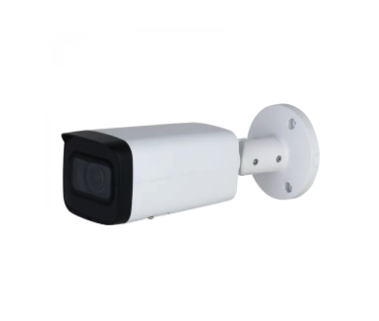
Varifocal Cameras
Varifocal cameras feature an adjustable focal length, allowing your business to customize the field of view without needing to relocate your equipment. Varifocal cameras can be manually or remotely adjusted to zoom in for detailed monitoring or zoom out for wider areas of coverage.
Typically, varifocal cameras get used for covering areas at a much larger height or environments that are more dynamic where the view may need to be adjusted. The most common lens sizes are 2.8 to 12mm with some at an even wider range. The more advanced cameras even feature motorized zoom and autofocus features for remote flexibility.
How to Choose Your Business Surveillance System
Selecting the right surveillance camera system is critical for ensuring maximum security protection for your business. Consider these key factors in making your decision:
1. Determine Whether You Need Indoor or Outdoor Cameras
The environment where your cameras will operate significantly impacts which models will perform best. Indoor cameras typically don’t require weatherproofing and may be smaller with less resolution and features. Outdoor cameras need robust housings to withstand elements like rain, snow, heat, and cold.
Many businesses opt to utilize many of the same cameras across their facilities for easier setup and maintenance for their security teams. Especially when needing cameras for outdoor environments, look for IP ratings that indicate weather resistance levels and for both indoor and outdoor consider external lighting conditions, coverage and visibilities.
2. Choose Between Wired and Wireless
Wired and wireless camera systems each offer distinct advantages and limitations. Wired systems provide a much more reliable connection, increased security and aren’t susceptible to interference or signal dropping. However, they require planning an execution by proper professional installation.
Wireless cameras offer better flexibility in placement but more easily experience connectivity issues in environments, settings, weather conditions. Wireless cameras typically don’t have as robust weatherproof ratings and non commercial quality construction making it easier to tamper with our open holes in your security coverage. Usually, wireless cameras do come at a more inexpensive price point, usually at the expense of video quality or features like human/vehicle detection.
3. Evaluate Night Vision Capabilities
For businesses requiring 24/7 surveillance, cameras with strong night vision capabilities are essential. You need to decide if black and white infrared view is enough or do you need additional night color capabilities (color night vision).
Evaluate the distance at which cameras can effectively “see” in the dark, as well as the ambient light level (LUX rating or minimum illumination). Determine if your camera has the ability to automatically switch between modes, and if it has true wide dynamic range (WDR), providing a much better image in areas where cameras with different exposures create images that are more clearly visible.
4. Establish Remote Operations
The ability to monitor your business remotely has become increasingly important for modern security solutions. Your video monitoring software (VMS) is just as important as the cameras you utilize. Consider a VMS with not only desktop and multi-site remote functionality, but also easy playback and notification review on mobile devices. A VMS that allows you to connect easily anywhere in the world, no matter where your business needs or takes you.
Security systems that offer alarm notifications for unauthorized access or behavior become critical in helping improve response and liability for potential threats, especially when you are off-site.
5. Examine Motion Triggered or Continuous Video Recording Needs
Your recording strategy significantly impacts both storage requirements and system effectiveness. Motion-triggered recording only activates when motion is detected, saving you storage space. However, the drawback is this could potentially lead to missed events that led to an event especially in environments that encounter intermittent activity. Additionally, setting record rates, resolutions, and compression types becomes critical in balancing the amount of data retention requirements you have and storage requirements and cost.
Continuous recording provides uninterrupted surveillance but requires substantially more storage capacity. Many businesses implement a hybrid approach using continuous recording for high-security areas like entrances and registers, and motion detection for hallways and other lower-risk zones. Consider cloud storage options and local storage for video redundancy to protect your businesses.
6. Consider the Solutions Provider
The company providing your security system is just as important as the equipment itself. A reputable solutions provider like Optiview doesn’t just sell cameras, they offer comprehensive support including system design, sales support and technical assistance.
With over 25 years of experience in the surveillance industry, Optiview thoroughly tests all of our products in our 25,000 squarefoot facility and customizes firmware to ensure optimal performance for each machine out our doors. We even provide initial setup and configuration saving you time and money on the site ensuring rapid setup. Our commitment to quality and support ensures that your business security systems will keep you protected long after installation.
7. Ask About Specific Features
When evaluating security camera options, inquire about specific capabilities that might benefit your particular business environment. Consider factors like:
- NDAA Compliance for federal funding
- Video storage options and retention periods
- Audio recording
- Analytic features like people counting or license plate recognitions
- Encryption and cyber security protections
- Post installation support
A quality provider will take the time to understand your specific security concerns and recommend features that address your unique business requirements rather than pushing unnecessary upgrades.
Choose a Commercial Surveillance System From Optiview
Investing in the right commercial surveillance system is essential for protecting your business assets, employees, and customers. Optiview offers cutting-edge security solutions tailored to your unique business needs, regardless of size or industry.
Our team of highly trained professionals will guide you through selecting the perfect combination of cameras and features for your security requirements. With our extensive product testing, customized firmware, and dedicated support team, you can trust that your business surveillance system will provide reliable protection for years to come.
Contact Optiview today to discuss your business security needs and discover how our surveillance solutions help protect what matters most to your business.